The Ultimate Guide to CAN Bus Systems in Motorcycles
What is a CAN Bus System in Motorcycles?
What is a CAN Bus System and Why Should You Care?
Motorcycle technology has come a long way, and the CAN bus system is a big part of that progress. Acting as the communication backbone for modern bikes, it connects key electronic systems like ABS, traction control, and lighting. For riders, this means not just better performance and reliability, but also incredible opportunities to customise.
If you’ve ever thought about adding auxiliary lights, turn signals, horns, or cameras to your motorcycle, understanding the CAN bus system is essential. It’s the key to seamless integration and hassle-free upgrades, making your bike truly your own.
With over 50 years of riding and hands-on experience, we’ve helped countless motorcyclists enhance their bikes. Whether you’re a DIY enthusiast or prefer to leave the work to the pros, this guide will show you how to get the most out of your bike—and how we can help.
How This Guide Will Help You Customise Your Bike
This guide is your starting point for understanding CAN bus systems in motorcycles. We’ll explain what they are, how they work, and what makes them such a game-changer for customisation. We’ll also cover the accessories you can add—from lights and cameras to turn signals and horns—and how to do it right.
Whether you’re riding an adventure bike or something else entirely, you’ll find everything you need to upgrade your motorcycle here. And if you’d rather let the experts handle the installation, our friendly, knowledgeable team offers a UK-wide service—either at our location or at yours.
Let’s dive in.
What is a CAN Bus System?
The Backbone of Modern Motorcycle Electronics
A CAN bus system, or Controller Area Network, is an advanced communication network that connects electronic components on your bike. Invented by Germany-based company Bosch in 1983 for use in Mercedes cars, it has become a standard in nearly all European cars since the late 1980s. BMW introduced the technology into its bikes in 2003.
Unlike traditional wiring systems, the CAN bus reduces complexity by using fewer wires. Instead of each component needing its own dedicated connection, data is transmitted through a central network. Think of it as your bike’s brain, enabling all its electronic systems to work together.
Â
Key Features of CAN Bus Technology
- Reduced Wiring Complexity: Fewer cables mean a cleaner, lighter bike.
- Enhanced Diagnostics: Quickly pinpoint issues using tools like OBD (on-board diagnostics) scanners.
- Scalability: Easily add new accessories without overwhelming the system.
- No Fuse Box: CAN bus will protect the individual circuits.
Benefits of CAN Bus Systems in Motorcycles
Why Riders Love CAN Bus Technology
The CAN bus system brings several advantages to motorcycle owners:
- Simplified Wiring: With fewer cables running through your bike, maintenance and troubleshooting become easier.
- Customisation Potential: Add features like auxiliary lights, cameras, or horns with ease.
- Improved Safety and Performance: Systems like ABS and traction control perform better thanks to efficient communication.
- No Clutter on Handlebars: Manage your accessories using your bike’s original switches, no need to add additional switches to the handlebars.
Adding Accessories to a CAN Bus System-equipped motorcycle
Accessories You Can Add
With the right CAN bus accessory controller, you can upgrade your bike with:
- Auxiliary Front Lights for improved visibility.
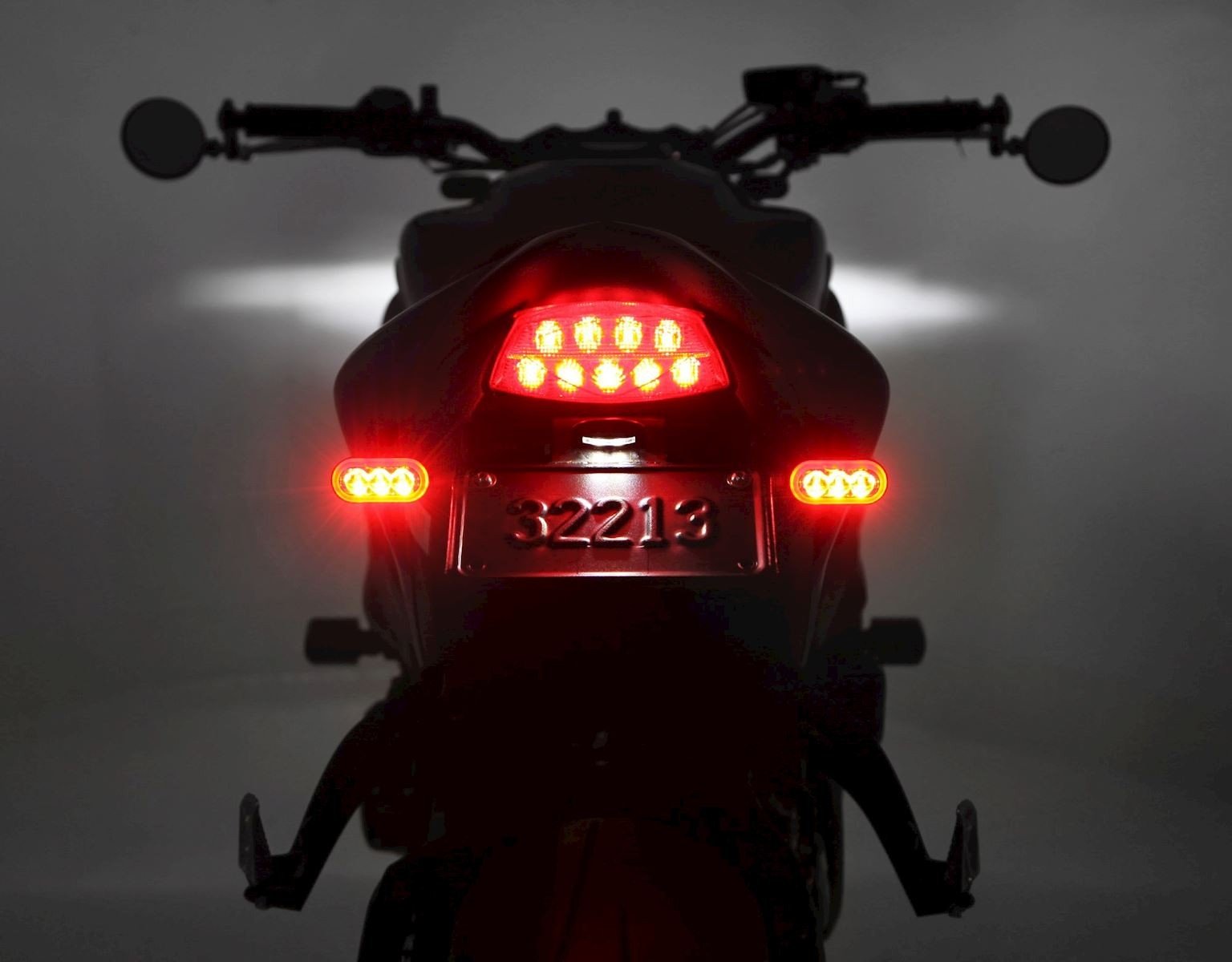
- Auxiliary Rear Lights for improved visibility.
- Turn Signals that integrate seamlessly with your bike’s existing controls.
- Brake Lights with enhanced features like flashing or adaptive brightness.Horns for added safety on the road.
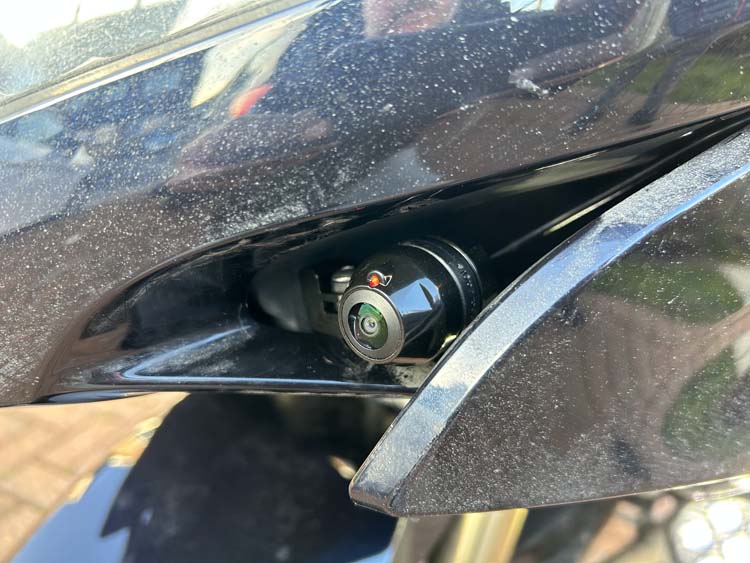
- Cameras to record your rides or improve situational awareness.
- Heated Clothing to stay warm and comfortable on long or cold rides.
How to Add Accessories
The solution to integrating accessories into your CAN bus-equipped bike is a CAN bus accessory controller. These controllers allow you to install accessories without disturbing your bike’s existing CAN bus system*.Â
The process of how to set up your accessories depends on your motorcycle model and the availability of compatible CAN bus controllers. You have two options when it comes to adding your new accessories:
- DIY Installation: With the right tools and resources, many riders handle upgrades themselves.
- Professional Installation: For those who want a seamless experience or don’t want to risk their OEM-guarantee by installing themselves – we offer a UK-wide service, either at our workshop or at your location.
*Adding additional accessories directly to the CAN bus circuit would be seen as a fault. This is due to the fact, that the CAN bus system would see more current than there should be and would therefore shut this curcuit down – and then reward you with a fancy error message on your dash.
To give you an idea on when you would need two CAN bus accessory controllers, have a look at one of our YouTube videos. It shows what we’ve recently installed on a customer’s BMW R1250 GSA:
- Pair of Denali D7 Pro LED auxiliary light pods, mounted under the beak
- Pair of Denali D4 LED auxiliary light pods, mounted on the engine bars
- Pair of Denali T3 Front Switchback LED Turn Signal Pods
- Pair of Denali T3 Rear Switchback LED Turn Signal Pods, installed on number plate mounting brackets
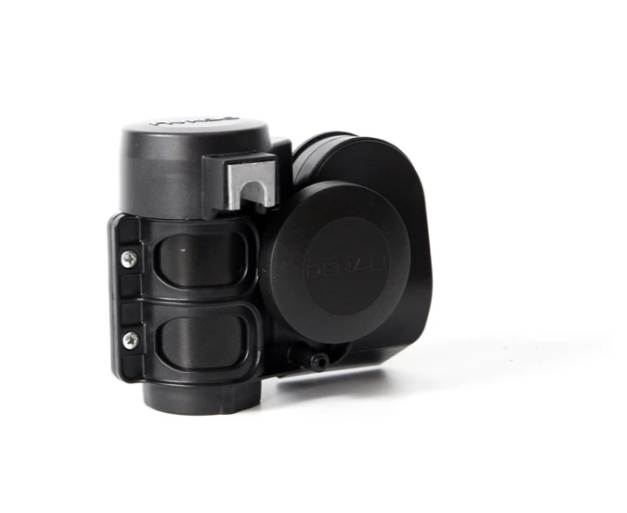
- Denali 120dB Soundbomb horn
- Replacing the BMW GPS cradle with a Global Eagle NV-1 Smartphone Mirroring System with 2k Front- and Rear cameras
- And, finally, 2 Denali CAN Bus Accessory Controllers, positioned under the seat, to coordinate all this hardware.
Challenges and Considerations
Things to Keep in Mind
- Compatibility: Is your bike Can bus managed? Is there a compatible CAN bus accessory controller for your bike? (if you have answered both questions with “no”, fear not, there are other ways to add accessories to your bike. Get in touch to find out what to do.)
- Quality Components: Use trusted products to avoid reliability issues.
- Installation Expertise: Some upgrades may require professional knowledge, especially with complex systems. It can get complex, when you want to use multiple controller channels for just one accessory, or if there is a lack of space for mounting and wiring controllers and accessories (the newer your bike, the more likely you will run into this issue).
Future Trends in Motorcycle Accessories and Electronics
The world of motorcycle electronics is advancing at a rapid pace, and the CAN bus system is at the forefront of this evolution. From smarter accessories to deeper integration with IoT, here’s what the future holds for riders.
Advancements in CAN Bus Technology
The CAN bus system has been around for decades, but it’s evolving to meet the demands of modern motorcycles. Here are some key advancements:
- Higher Data Speeds: Emerging variants of the CAN bus, such as CAN FD (Flexible Data Rate), allow for faster data transfer and larger payloads. This is critical as motorcycles incorporate more complex electronics, like advanced rider-assistance systems (ARAS).
- Source: Bosch originally developed CAN FD for automotive applications, but it’s gradually being introduced into motorcycles. (Bosch CAN FD Whitepaper)
- Enhanced Diagnostics: Advanced CAN bus systems enable predictive maintenance. They monitor critical components in real-time and provide warnings before issues arise, reducing breakdown risks.
- Integration with New Protocols: Manufacturers are pairing CAN bus systems with protocols like LIN (Local Interconnect Network) for less critical functions or Ethernet for data-heavy features like multimedia systems.
What this means for riders: Faster and smarter CAN bus systems mean motorcycles will become even more reliable, offering features like automated safety checks and richer on-board diagnostics.
Smart Accessories Enabled by CAN Bus Systems
Modern motorcycles equipped with CAN bus technology are paving the way for smart accessories that enhance safety, convenience, and performance. Here are a few examples:
- Adaptive Lighting: Headlights that adjust their beam automatically based on road conditions, speed, or lean angle. These lights can be controlled via the CAN bus to ensure synchronisation with other systems like ABS or traction control.
-
- Example: Adaptive headlights are already standard on some premium models, such as BMW’s GS range.
- Ride Monitoring Cameras: Cameras integrated into the CAN bus system provide data such as speed, GPS location, and lean angle alongside video footage. This information is invaluable for ride analysis and safety documentation.
- Tyre Pressure Monitoring Systems (TPMS): CAN bus-enabled TPMS alerts riders in real-time about tyre pressure changes, enhancing safety during long rides.
- Smart Brake Lights: Brake lights that flash or brighten dynamically based on the intensity of braking, improving visibility for vehicles behind.
What this means for riders: Accessories are becoming smarter, safer, and more integrated, ensuring seamless functionality without adding unnecessary wiring or complexity.
Integration with IoT and Connected Devices
The Internet of Things (IoT) is revolutionising how riders interact with their motorcycles. The CAN bus system acts as the backbone, enabling these features to connect to broader IoT ecosystems.
- Smartphone Connectivity: Many modern bikes already allow riders to control settings via smartphone apps. Through CAN bus integration, riders can now monitor performance metrics, set accessory configurations, and even update firmware remotely.
- Example: KTM’s MyRide app connects via the bike’s CAN bus, offering navigation, music control, and riding stats.
- Cloud Integration: CAN bus systems combined with IoT allow real-time data to be sent to the cloud. This is useful for ride tracking, diagnostics, and even theft prevention (e.g., geofencing features that alert you if your bike moves unexpectedly). At the moment, geofencing is used for trackers, utilising GPS.
- Vehicle-to-Vehicle (V2V) Communication: In the future, motorcycles will communicate with nearby vehicles, infrastructure, and smart traffic systems to reduce accidents and improve traffic flow. The CAN bus system plays a crucial role in managing and transmitting this data.
- Source: BMW has been at the forefront of V2V communication research for motorcycles. (BMW Motorrad ConnectedRide) BMW wants to use this technology to warn riders of other near-by vehicles or collision-path vehicles.
- Connected Accessories: Accessories such as helmets with HUD (Heads-Up Display) technology can synchronise with the bike’s CAN bus system to show speed, navigation, and safety alerts.
What this means for riders: IoT integration makes riding safer and more enjoyable by providing real-time data, enhanced connectivity, and greater personalisation.
Conclusion
Understanding CAN bus systems in motorcycles is the first step towards unlocking your bike’s full potential. Whether you’re adding lights, horns, or a camera, this technology makes it easy to customise your ride and enjoy a better biking experience.
If you’re ready to upgrade your motorcycle, check out our range of CAN bus controllers and accessories, or get in touch to book a professional installation. We’re here to help you every step of the way.
Your Next Steps: Explore, Upgrade, and Enjoy
We stock the high-quality CAN bus controllers from DENALI Electronics, which are hugely reliable and come with a software enabling you to set up the functionality of your accessories yourself.
Frequently asked questions
Our FAQs in regards to CAN Bus systems in motorcycles. If you can't find what you are looking for, just give us a shout, we are here to help!
Yes, many riders handle installations themselves with the right tools. However, professional installation ensures everything works perfectly, if you are not confident (just mentioning, being over-confident is also not helping. Ask, how we know…)
A good idea is to check the above table to see, whether your bike is mentioned. Otherwise, check your motorcycle’s manual or contact us—we’ll help you figure it out and recommend the right accessories.
If you’re unfamiliar with interpreting wiring diagrams or using diagnostic tools, or thinking of rushing through it, then it might be time to have a thought about handing over to a Pro.
Yes. However, it does depend a bit on what you want to add to your bike. Speak with us for more advice.